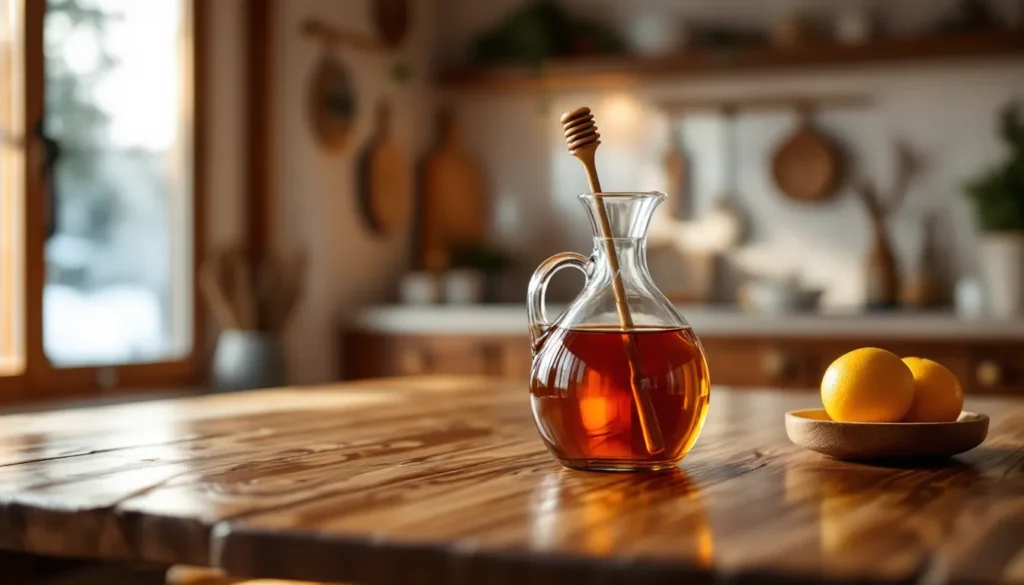
Mead flows through Skyrim like the blood of the Nords themselves. From the bustling taverns of Whiterun to the frozen halls of Windhelm, every adventurer worth their salt has tipped back a tankard of honey wine after a hard-fought battle. But while you can’t exactly walk into Maven Black-Briar’s meadery and steal the recipe, you can brew authentic Skyrim-style mead right in your own home.
This guide breaks down everything you need to craft real-world mead inspired by The Elder Scrolls V: Skyrim. Whether you’re looking to recreate the sweet warmth of Black-Briar Reserve or the spiced complexity of Honningbrew, we’ve got the exact ingredients, equipment, and step-by-step process to turn you into a proper meadmaker. No alchemy skill required, just patience, the right tools, and a taste for adventure.
Table of Contents
ToggleKey Takeaways
- Authentic Skyrim mead recipe requires just three core ingredients—honey, water, and yeast—with quality honey being the most critical factor in determining flavor, color, and character of your final brew.
- Proper sanitization, temperature control (60-75°F), and a hydrometer to monitor gravity readings are essential to prevent contamination, stuck fermentation, and dangerous bottle bombs during the brewing process.
- Black-Briar Mead uses higher honey ratios for sweetness, Honningbrew features spiced complexity with cinnamon and cloves, and Nord Mead incorporates juniper berries for an earthy, piney character reflective of Nordic traditions.
- Skyrim mead requires patience—minimum 3 months aging for basic varieties and 6-12 months for optimal flavor development, as rushing the process results in harsh, off-flavored beverages.
- Common brewing mistakes like inadequate sanitization, impatient temperature control, and bottling before fermentation completes can ruin batches, making process discipline as critical as ingredient quality when crafting your mead.
What Is Mead and Why Is It Essential to Skyrim’s Lore?
Mead isn’t just a beverage, it’s liquid history. This fermented honey drink predates most modern alcohols by millennia, and its presence in Skyrim is more than atmospheric decoration. Understanding mead’s real-world origins and its role in the game adds depth to every bottle you craft.
The History of Mead in Nordic Culture
Mead is one of humanity’s oldest alcoholic drinks, with evidence of honey fermentation dating back to 7000 BCE in China. But it’s in Nordic and Germanic cultures where mead truly earned its legendary status. Vikings drank mead in great halls during feasts, offered it to the gods, and believed fallen warriors would drink it eternally in Valhalla.
The drink was called “mjöðr” in Old Norse, and its production was both an art and a sacred tradition. Honey was precious in medieval Scandinavia, making mead a drink for celebrations, religious ceremonies, and diplomatic gatherings. The fact that Skyrim’s Nords share this cultural reverence for mead isn’t coincidence, Bethesda deliberately wove authentic Nordic traditions into the game’s fabric.
Mead’s Role in The Elder Scrolls V: Skyrim
In Skyrim, mead serves multiple gameplay and narrative functions. You’ll find varieties like Black-Briar Mead, Honningbrew Mead, and Nord Mead scattered across taverns, bandit camps, and player inventories. These aren’t just healing items, they’re central to questlines, economic systems, and world-building.
The bitter rivalry between Maven Black-Briar’s meadery and the Honningbrew Meadery drives a key Thieves Guild quest. Mead also appears in ceremonial contexts: Nords toast with it at weddings, drink it during funerals, and offer it to guests as a sign of hospitality. The game’s attention to mead varieties, each with distinct bottles and minor stat differences, shows how deeply the drink is embedded in Nordic Skyrim culture. When players raid dungeons and find mead alongside ancient Nord weapons, it reinforces that this beverage has been part of Tamriel’s northern culture for ages.
Essential Ingredients for Authentic Skyrim-Style Mead
Mead’s beauty lies in its simplicity. At its core, you need just three things: honey, water, and yeast. But the quality of those ingredients and your optional additions will determine whether you’re sipping Black-Briar Reserve or swill fit for a bandit camp.
Honey: The Heart of Your Brew
Honey is everything. The type you choose dictates your mead’s flavor, color, and character. For a traditional Skyrim-style mead, consider these options:
- Wildflower honey: Produces a balanced, approachable mead with floral notes. This is your baseline.
- Clover honey: Mild and light, perfect for beginners. Creates a clean-tasting mead.
- Orange blossom honey: Adds citrus undertones without actual fruit additions.
- Buckwheat honey: Dark, robust, and earthy, think Nord Mead’s heavier profile.
You’ll need roughly 3-4 pounds of honey per gallon of finished mead. More honey equals higher alcohol content and residual sweetness. Local, raw honey often produces more complex flavors than commercial varieties, plus it supports regional beekeepers (no Maven Black-Briar monopolies here).
Avoid honey blends or anything with added corn syrup. You’re brewing like the Nords, not cutting corners.
Water, Yeast, and Optional Flavor Additions
Water: Use filtered or spring water. Tap water works if it doesn’t have strong chlorine or chemical tastes, let it sit out overnight to off-gas chlorine if needed. You’ll need about 1 gallon of water per batch (which yields roughly 1 gallon of mead after accounting for ingredient volume).
Yeast: This is where science meets tradition. While ancient meadmakers relied on wild yeasts from honey and the environment, modern brewers get consistent results with specific strains:
- Lalvin D-47: Enhances fruit and floral notes, ferments clean.
- Lalvin 71B: Great for beginners, reduces acidity, works well with fruit additions.
- Red Star Pasteur Champagne: High alcohol tolerance (up to 18% ABV), creates drier meads.
One 5-gram packet of yeast typically handles 1-5 gallons. Don’t use bread yeast, it’ll work, but the flavor profile will be harsh and unrefined.
Optional Flavor Additions (for variations we’ll cover later):
- Juniper berries (for authentic Nord-style mead)
- Spices like cinnamon, clove, and nutmeg (Honningbrew-style metheglin)
- Oak chips or vanilla for complexity
- Citrus zest for brightness
These additions transform basic mead into the named varieties you’d find in Skyrim’s taverns.
Equipment You’ll Need to Brew Mead at Home
You don’t need a full meadery to brew at home, but you do need proper equipment. Cutting corners here risks contamination, stuck fermentation, or, worst case, exploding bottles. Here’s what you need for a 1-gallon batch (easily scalable):
Primary Fermentation Vessel
- 1-gallon glass carboy or food-grade plastic fermenter with narrow neck
- Must be sealable with an airlock
Airlock and Stopper
- S-shaped or 3-piece airlock
- Rubber stopper sized to fit your vessel
- Allows CO2 to escape while keeping oxygen and contaminants out
Sanitizer
- Star San or Iodophor (no-rinse sanitizers preferred)
- Critical for every surface that touches your mead
Large Pot
- At least 2-gallon capacity for heating water and dissolving honey
- Stainless steel or enamel-coated (avoid raw aluminum)
Hydrometer and Test Jar
- Measures specific gravity (sugar content)
- Tells you when fermentation is complete and estimates ABV
Auto-Siphon and Tubing
- For transferring (“racking”) mead between vessels
- Minimizes sediment disturbance and oxygen exposure
Bottles and Caps/Corks
- Swing-top bottles, wine bottles with corks, or beer bottles with caps
- Must withstand carbonation if you’re making sparkling mead
Optional but Helpful:
- Funnel (wide-mouth)
- Long-handled spoon (stainless steel or food-grade plastic)
- Thermometer (clip-on or digital)
- Secondary fermentation vessel (for clarity and aging)
Most homebrew shops sell beginner mead kits for $40-$70 that include everything above except bottles. If you’re serious about multiple batches, it’s worth the investment. Experienced brewers on modding communities often share equipment setups and troubleshooting tips alongside Skyrim gameplay mods.
Step-by-Step Skyrim Mead Brewing Process
This is where honey becomes mjöðr. Follow these steps carefully, rushing or skipping sanitation will ruin batches faster than a giant’s club ruins your health bar.
Sanitizing Your Equipment
Contamination is your enemy. Every piece of equipment that touches your mead post-boil must be sanitized.
- Mix sanitizer according to package instructions (Star San typically uses 1 oz per 5 gallons of water)
- Submerge or spray all equipment: fermentation vessel, airlock, stopper, funnel, spoon, hydrometer, test jar
- Let items contact sanitizer for the recommended time (usually 1-2 minutes for no-rinse solutions)
- Allow to air dry or shake off excess, no rinsing needed with no-rinse sanitizers
This step takes 10 minutes and prevents weeks of wasted effort. Don’t skip it.
Creating the Must (Honey-Water Mixture)
The “must” is your unfermented mead base. Getting the ratio right determines your final mead’s character.
- Heat water: Warm 3/4 gallon of water to 140-160°F in your large pot. Don’t boil, excessive heat drives off delicate honey aromatics.
- Dissolve honey: Slowly stir in 3-4 pounds of honey until completely dissolved. This takes 5-10 minutes of patient stirring.
- Optional pasteurization: If using raw honey and concerned about wild yeast, hold at 160°F for 10 minutes. Most brewers skip this to preserve raw honey character.
- Cool the must: Remove from heat and cool to 90-95°F (body temperature). You can use an ice bath or wait patiently, never add yeast to hot must or you’ll kill it.
- Transfer to fermenter: Pour cooled must into your sanitized fermentation vessel. Top off with additional cool water to reach 1 gallon total volume.
- Take initial gravity reading: Use your hydrometer to measure original gravity (OG). Typical range: 1.090-1.120, predicting 12-16% ABV if fermented dry.
Adding Yeast and Beginning Fermentation
Yeast turns sugar into alcohol and CO2. Treat it well, and it’ll reward you.
- Rehydrate yeast (optional but recommended): Sprinkle yeast into 1/4 cup of 95-105°F water. Wait 15 minutes, then gently stir.
- Pitch the yeast: Pour rehydrated yeast into your must, or sprinkle dry yeast directly on top if you’re confident in your must temperature.
- Seal with airlock: Insert stopper and airlock filled halfway with sanitizer or water.
- Store in fermentation location: Keep at 60-75°F, out of direct sunlight. Cooler temps (60-65°F) produce cleaner flavors but ferment slower.
Within 24-48 hours, you’ll see bubbles rising and airlock activity. That’s CO2 escaping, fermentation has begun.
Monitoring Fermentation Progress
Primary fermentation typically lasts 2-4 weeks. During this phase:
- Week 1: Vigorous bubbling, cloudy must, strong honey-yeast aroma. Airlock bubbles every few seconds.
- Week 2-3: Activity slows. Bubbles every 30-60 seconds. Mead begins to clear as yeast settles.
- Week 4+: Minimal airlock activity (once per few minutes or stopped). Mead is noticeably clearer.
Check gravity weekly after week 2: Take a small sample with your sanitized wine thief or turkey baster. When gravity readings are stable for 3 consecutive days (e.g., 1.010 three days in a row), fermentation is complete. This is your final gravity (FG).
Calculate ABV: (OG – FG) × 131.25 = ABV percentage. Example: (1.110 – 1.010) × 131.25 = 13.1% ABV.
Don’t rush this. Players who rush through quests without proper preparation often need healing potions to survive, likewise, rushing mead leads to off-flavors and bottle bombs.
Racking, Bottling, and Aging Your Mead
Once fermentation completes, it’s time to separate your mead from sediment (lees) and prepare for aging.
Racking (Optional but Recommended):
- Transfer mead to a sanitized secondary vessel using your auto-siphon
- Leave sediment behind, don’t disturb the bottom inch
- Seal secondary with airlock and age 1-3 months for clarity and flavor mellowing
Bottling:
- Sanitize bottles, caps/corks, and bottling equipment
- Siphon mead into bottles, leaving 1 inch of headspace
- Cap or cork immediately
- Label with type and bottling date
Aging:
Mead improves with age. Minimum recommendations:
- Traditional mead: 3 months
- Spiced mead (metheglin): 2 months
- Fruit mead (melomel): 4-6 months
Many meadmakers wait 6-12 months for optimal flavor. Store bottles upright in a cool, dark place (50-60°F ideal).
Popular Skyrim Mead Variations to Try
Once you’ve mastered basic mead, it’s time to brew the specific varieties that populate Skyrim’s taverns and cellars. Each has distinct characteristics that match their in-game counterparts.
Black-Briar Mead (Traditional Sweet Mead)
Maven Black-Briar’s empire was built on quality, and her signature mead is smooth, sweet, and deceptively strong, just like its namesake proprietor.
Recipe adjustments:
- Use 4 pounds of honey per gallon (higher than standard)
- Choose clover or wildflower honey for clean sweetness
- Use Lalvin 71B yeast (stops around 14% ABV, leaving residual sweetness)
- Ferment at 65-68°F for smooth character
- Age minimum 4 months for complexity
Expected profile: Medium-sweet, smooth, 13-14% ABV, golden color, floral-honey dominant flavor. This is your “premium” mead, the stuff Maven charges triple for in Riften.
Honningbrew Mead (Spiced Metheglin)
Before Sabjorn’s unfortunate pest problem and subsequent Maven takeover, Honningbrew produced spiced mead with Nordic character. Metheglin is mead with spices added, creating warming complexity.
Recipe adjustments:
- Standard 3 pounds honey per gallon
- Add spices during secondary fermentation:
- 1 cinnamon stick
- 4-5 whole cloves
- 1/2 teaspoon grated nutmeg
- Optional: 1-inch fresh ginger, sliced
- Use Lalvin D-47 yeast for spice enhancement
- Steep spices for 1-2 weeks in secondary, taste frequently
- Remove spices when desired intensity is reached (over-spicing ruins batches)
Expected profile: Semi-sweet to dry, warming spice notes, 12-13% ABV, amber color. Perfect for cold Skyrim nights, or your winter gaming sessions. Detailed smithing preparations require similar attention to ingredient balance.
Nord Mead with Juniper Berries
Nord Mead is the working-class drink of Skyrim, less refined than Black-Briar, but honest and characterful. Adding juniper berries (used in gin production) gives it an authentic Nordic forest flavor.
Recipe adjustments:
- Use 3 pounds buckwheat or wildflower honey
- Add 1/4 cup dried juniper berries during primary fermentation
- Optional: 1 tablespoon black tea (for tannin structure)
- Use Red Star Champagne yeast for higher alcohol tolerance
- Age 3-4 months minimum
Expected profile: Dry, piney-resinous notes from juniper, earthy honey base, 14-16% ABV, dark amber to brown color. This is the mead you’d find in a roadside inn or a Nord warrior’s flask. Resources on Game8 often detail crafting systems in RPGs with similar attention to ingredient choices.
Common Mead Brewing Mistakes and How to Avoid Them
Even experienced brewers make mistakes. Here are the most common pitfalls and how to sidestep them:
Mistake: Inadequate Sanitization
- Problem: Wild bacteria or mold contaminate your mead, creating off-flavors or fuzzy growths.
- Solution: Sanitize everything. Every. Single. Time. No shortcuts.
Mistake: Impatient Temperature Control
- Problem: Adding yeast to hot must (above 100°F) kills it. No fermentation occurs.
- Solution: Always cool must to 90-95°F before pitching yeast. Use a thermometer.
Mistake: Insufficient Nutrients
- Problem: Honey lacks nitrogen and nutrients yeast needs. This causes slow/stuck fermentation and sulfur off-flavors.
- Solution: Add yeast nutrient and yeast energizer according to package directions, typically at the start and 24/48 hours into fermentation.
Mistake: Bottling Too Early
- Problem: Residual fermentation in bottles creates excess CO2. Bottles explode (“bottle bombs”).
- Solution: Verify stable gravity readings for 3+ consecutive days. When in doubt, wait longer.
Mistake: Over-Oxidation During Transfers
- Problem: Splashing and excessive air exposure darkens mead and creates cardboard/sherry-like flavors.
- Solution: Use an auto-siphon, keep transfers smooth, don’t splash or aerate post-fermentation.
Mistake: Expecting Immediate Results
- Problem: Fresh mead tastes hot, harsh, and one-dimensional. Brewers get discouraged.
- Solution: Patience. Mead needs aging. Even “young” mead needs 3 months minimum. Give it 6-12 months for true quality.
Mistake: Ignoring Hydrometer Readings
- Problem: Guessing when fermentation is done leads to bottle bombs or unintended sweetness/dryness.
- Solution: Take gravity readings. They’re the only reliable indicator of fermentation completion.
Guides on Twinfinite emphasize similar process discipline when mastering complex game mechanics, shortcuts lead to failure.
Tasting and Serving Your Homemade Skyrim Mead
You’ve waited months. Your mead has aged, clarified, and transformed from cloudy must into liquid gold. Now comes the reward: tasting and sharing your creation.
Proper Tasting Technique:
- Pour into a clear glass: Wine glasses or goblets work best. Observe color and clarity.
- Nose the aroma: Swirl gently and inhale. Note honey character, fruit/spice additions, alcohol warmth, or off-aromas.
- Taste in stages: Small sip first. Let it coat your palate. Note sweetness, acidity, body, and finish.
- Evaluate: Is it balanced? Too sweet or too dry? Does alcohol burn or integrate smoothly?
Your first batch might not be perfect, that’s expected. Each batch teaches you adjustments for the next.
Serving Temperature:
- Traditional/sweet mead: Chilled (50-55°F) or room temperature (65°F)
- Spiced mead: Room temperature to appreciate spice complexity
- Strong mead (14%+ ABV): Slightly chilled to reduce alcohol heat
Pairing Your Mead with Nordic-Inspired Foods
Skyrim mead deserves Skyrim food. These pairings honor Nordic culinary traditions:
Traditional Sweet Mead:
- Roasted meats (venison, boar, beef)
- Strong cheeses (aged cheddar, gouda, blue cheese)
- Honey cakes and pastries
- Dried fruits and nuts
Spiced Metheglin:
- Root vegetables (roasted carrots, parsnips, turnips)
- Savory pies and stews
- Gingerbread and spice cookies
- Smoked fish (salmon, mackerel)
Nord Mead with Juniper:
- Game meats (rabbit, elk, wild boar)
- Pickled vegetables
- Dark bread with butter
- Sharp, aged cheeses
These pairings mirror what you’d find at a feast in Jorrvaskr or a noble’s table in Solitude. After settling into your affordable lodgings, hosting a proper Nord feast makes perfect sense.
Hosting a Skyrim-Themed Mead Tasting Party
Take your brewing to the next level by sharing with fellow enthusiasts:
Setup:
- Brew 2-3 different varieties (traditional, spiced, and fruited)
- Serve in goblets or horn-style drinking vessels
- Provide tasting notes sheets for guests
- Pair with Nordic-inspired foods
Atmosphere:
- Play the Skyrim soundtrack (“The Dragonborn Comes,” tavern music)
- Decorate with faux furs, candles, wooden serving boards
- Encourage guests to dress in medieval/Viking-inspired attire
- Display your brewing equipment and explain the process
Activities:
- Blind tasting competition (guess which variety is which)
- Mead-naming contest (come up with Skyrim-worthy names)
- Skyrim gameplay session (co-op or taking turns on tough dungeons)
- Share brewing stories and lessons learned
Communities on Skyrim Discord servers often organize virtual tasting events where members share homebrewing experiences alongside gameplay discussions. It’s a natural crossover between gaming passion and real-world crafting.
Conclusion
Brewing Skyrim mead bridges the gap between virtual adventure and tangible craft. What starts as honey, water, and yeast transforms, through patience and process, into a drink the Nords themselves would toast with. Whether you’re recreating Black-Briar’s smooth sweetness, Honningbrew’s spiced warmth, or the rustic character of Nord Mead with juniper, each bottle connects you to millennia of meadmaking tradition and the rich lore of Tamriel.
The process demands respect: proper sanitation, temperature control, and above all, patience. Your first batch won’t be perfect, but it’ll be yours. With each brewing session, you’ll refine technique, adjust recipes, and develop preferences. Some brewers chase historical authenticity: others experiment with unconventional ingredients. Both approaches honor the spirit of meadmaking.
So gather your equipment, source quality honey, and start your first batch. In a few months, you’ll raise a glass of your own creation and understand why mead flows so freely through Skyrim’s halls. The Dragonborn may save the world, but there’s something equally satisfying about crafting the drink that fuels those legends. Skål.